
Website speed plays a critical role in user experience, search engine rankings, and conversions. A slow website can frustrate visitors and cause potential customers to leave before interacting with your content.
Why Website Speed Matters
Google considers page speed a ranking factor. Faster websites provide a better experience, leading to improved engagement and higher search visibility.
Common Causes of Slow Websites
Large image files, poor hosting, excessive plugins, and unoptimized code can significantly impact loading times.
Optimize Images and Media
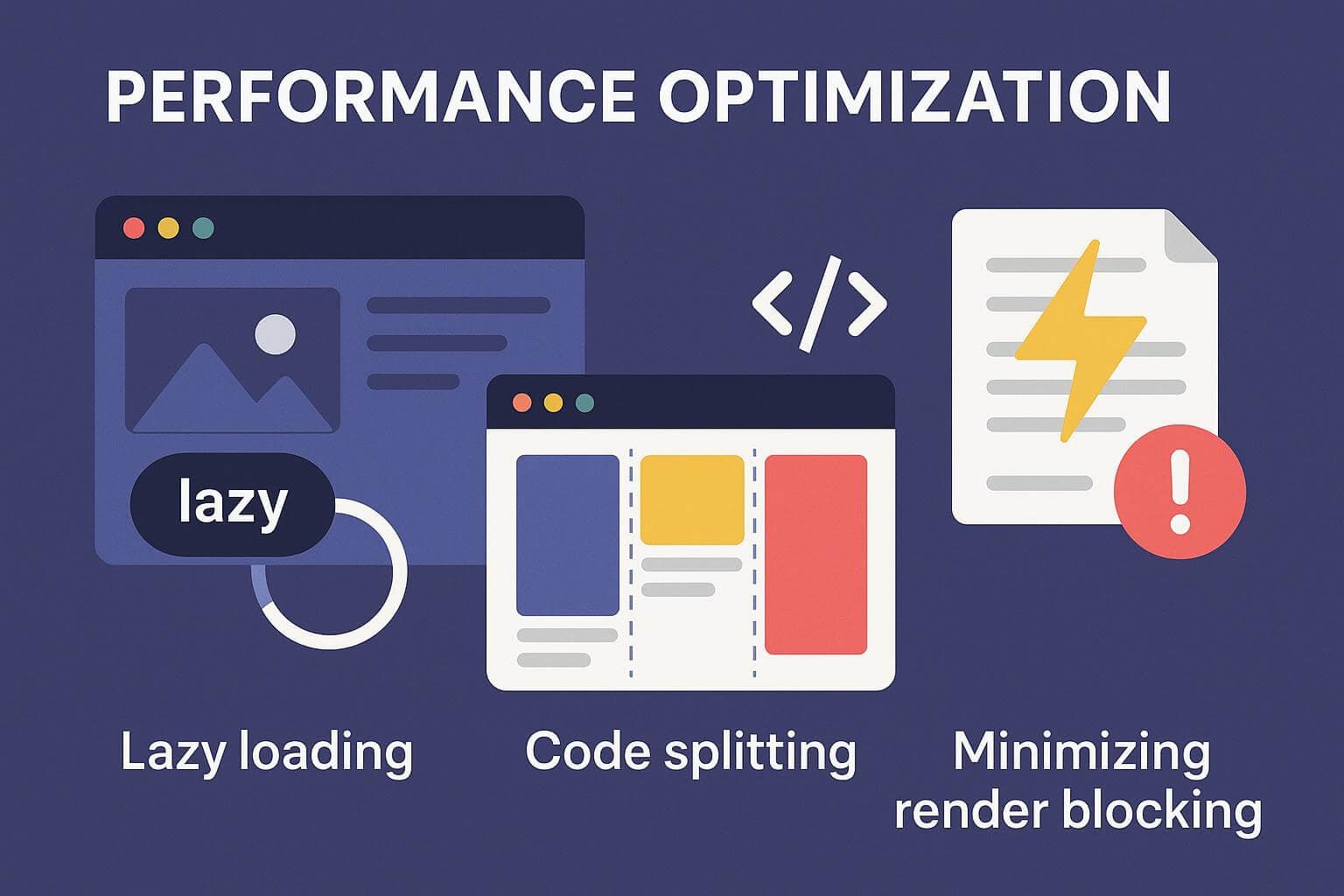
Compress images before uploading and use modern formats like WebP. Implement lazy loading so images load only when needed.
Enable Caching and CDN
Caching reduces server requests while a Content Delivery Network (CDN) delivers content from servers closer to visitors, improving load times globally.
Minify CSS and JavaScript
Removing unnecessary spaces and unused code can reduce file sizes and improve page performance.
Monitor Performance Regularly
Use tools like Google PageSpeed Insights, GTmetrix, and Lighthouse to identify opportunities for improvement.
Conclusion
Investing in website speed optimization improves SEO rankings, increases user satisfaction, and helps businesses generate more leads and sales.